A Step-by-Step Guide to the History of Jollof Rice
Most people think the heated online debates are the most interesting part of Jollof_rice) rice. They’re wrong. The real story isn’t the rivalry; it’s a 700-year journey of migration, adaptation, and cultural fusion packed into a single, iconic dish. The history of Jollof is the history of West Africa in a pot. Understanding this dish means understanding the empires, trade routes, and ingredients that shaped a continent’s palate.
Jollof rice traces its origins to the ancient Wolof or Jolof Empire of the Senegambia region, flourishing between the 14th and 16th centuries. The dish, originally known as Thieboudienne, spread across West Africa through trade and conquest, with each culture adding its unique touch. Today, it stands as a celebrated staple, with a particularly famous rivalry between Nigerian and Ghanaian versions, and is a pillar of West African cuisine served worldwide.
By the end of this article, you will be able to trace Jollof’s lineage from an ancient empire to a global culinary icon, understand its key ingredients, and finally appreciate the nuances behind the famous “Jollof Wars.”
Prerequisites for This Culinary Journey
- An appetite for history and culinary anthropology.
- Curiosity about West African cultures and traditions.
- An open mind, especially when we discuss the Ghana vs. Nigeria debate.
Step 1: Trace the Origin to the Jolof Empire
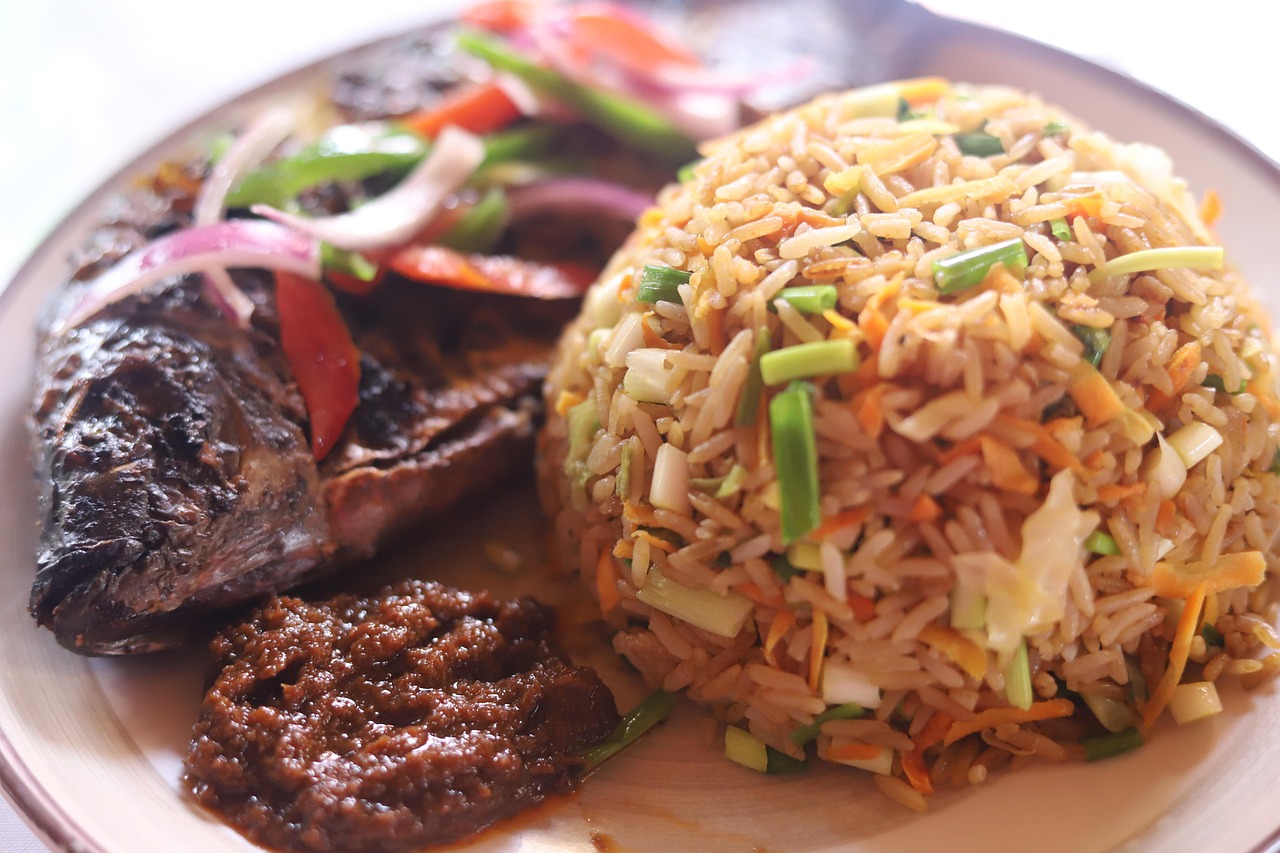
The story begins in Senegambia, a region encompassing modern-day Senegal and The Gambia. Between the 14th and 16th centuries, this area was ruled by the powerful Jolof Empire, also known as the Wolof Empire. The Wolof people were skilled agriculturalists, and rice cultivation was part of their way of life. The linguistic root of “Jollof” comes directly from the name of this empire and its people. The original dish that forms the ancestor of Jollof is widely believed to be Thieboudienne (or ceebu jën), a flavorful preparation of fish, rice, and vegetables that remains the national dish of Senegal.
This ancestral dish was a one-pot meal born of convenience and necessity, using ingredients native to the region. According to food historian Fran Osseo-Asare, rice has been cultivated in parts of West Africa for over 3,000 years, making it a foundational element long before the transformations that would follow. It was the movement of people and ideas from this cradle of civilization that planted the seeds for Jollof as we know it.
Step 2: Follow the Dish Along Ancient Trade Routes
Jollof didn’t stay within the confines of one empire. As the Jolof Empire declined, its cultural practices, including its recipes, spread across West Africa. The primary vehicle for this culinary diffusion was the historic Trans-Saharan trade network, which connected West Africa with North Africa and beyond. Merchants, scholars, and migrants carried the concept of this one-pot rice dish with them.
This movement led to the creation of related dishes in neighboring regions. In Mali and Burkina Faso, you find riz au gras, another variation. As the recipe traveled, it adapted. The core technique—cooking rice in a rich, spiced tomato and pepper base—remained, but local ingredients and preferences created distinct versions. This geographical spread is the very reason why so many West African nations have a legitimate, historical claim to Jollof rice. It evolved concurrently in multiple places, not linearly in one.
Step 3: Unpack the Evolution of Its Core Ingredients
A common misconception is that Jollof has always been a fiery red dish. The color and much of the modern flavor profile come from tomatoes and red bell peppers, which were not native to Africa. Tomatoes were introduced to the continent as part of the Columbian Exchange following the 15th century—the widespread transfer of plants, animals, and technology between the Old World and the Americas. Tomatoes arrived in Africa via European traders and took several centuries to become the culinary staple they are today.
Before tomatoes, the dish would have been seasoned and colored with other ingredients, perhaps locust beans (iru/dawa dawa) and various local spices. The modern Jollof base, often called the “stew base,” typically includes:
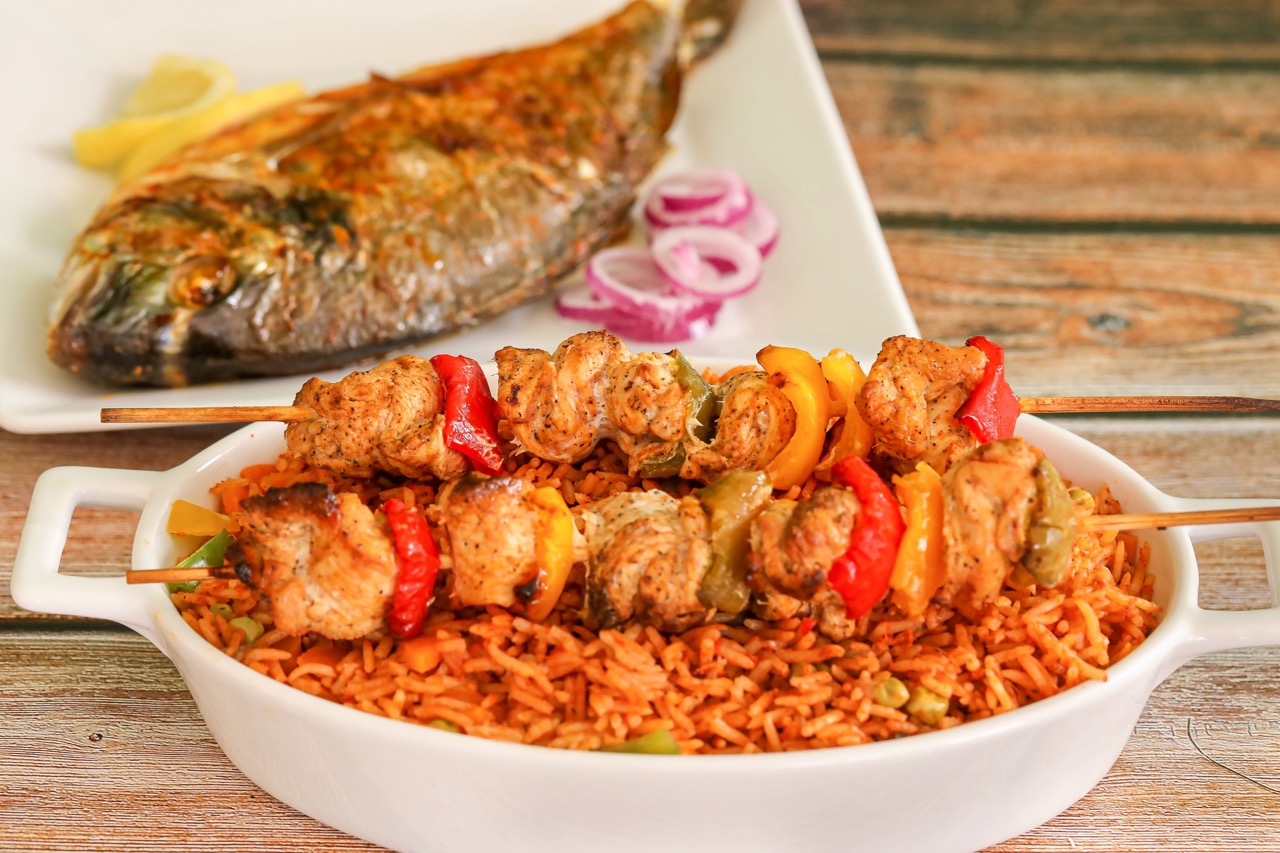
- Rice: Nigerian Jollof traditionally uses long-grain parboiled rice, which remains firm and separate, while Ghanaian Jollof often uses more fragrant varieties like basmati or jasmine.
- Tomatoes & Tomato Paste: Provide the signature red color and umami depth.
- Peppers: A blend of red bell peppers (tatashe) for sweetness and color, and fiery scotch bonnets (ata rodo) for heat.
- Onions: A foundational aromatic.
- Spices: Thyme, curry powder, bay leaves, and stock cubes are common additions that vary by country and cook.
Step 4: Understand the Great “Jollof Wars”
No discussion of the history of Jollof is complete without addressing the “Jollof Wars,” the famous and mostly good-natured rivalry between Nigerians and Ghanaians over whose version is superior. This culinary clash is a source of national pride, endless social media banter, and even diplomatic commentary. The debate is a fixture of West African pop culture, showcasing how deeply this dish is woven into modern identity.
So, what’s the difference?
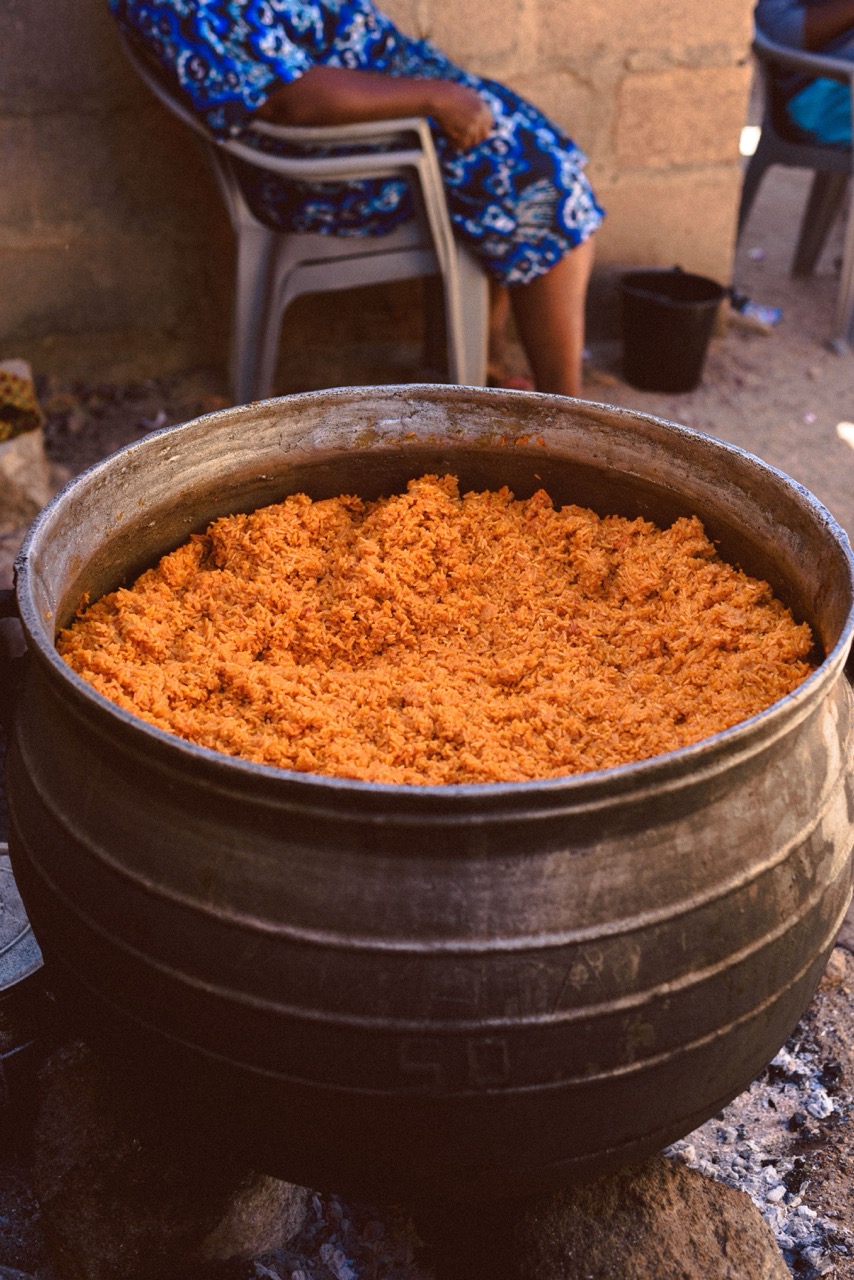
- Nigerian Jollof: Known for its smoky flavor, often achieved by cooking it over an open fire to create a coveted “party Jollof” crust at the bottom of the pot. The long-grain parboiled rice absorbs the stew base without becoming sticky, resulting in separate grains.
- Ghanaian Jollof: Often includes fragrant jasmine or basmati rice, which has a softer texture and distinct aroma. The stew base is intensely seasoned, and it’s not uncommon to add meat or vegetables directly into the pot as it cooks.
The Jollof Wars aren’t just about food; they’re about national pride, history, and the subtle art of telling a story in a single pot of rice.
As a business bringing Nigerian flavors to Lisbon, Portugal, we at Yaji Lisbon are, of course, partial to the Nigerian method. Our Jollof Rice carries that authentic, smoky taste that tells a story of celebration and community.
Step 5: Recognize Its Role as a Cultural Unifier
Despite the friendly rivalries, Jollof rice is a powerful symbol of unity and celebration across West Africa. It is the definitive party food, a non-negotiable staple at weddings, naming ceremonies, funerals, and religious festivals like Christmas and Eid. The shared love for Jollof creates an instant connection among West Africans, regardless of their nationality. Its presence signifies hospitality, community, and abundance.
This unifying power makes it a centerpiece for gatherings. When we provide event catering, we see how a spectacular pot of Jollof brings people together, sparking conversation and creating shared memories. It’s more than sustenance; it’s an experience. The importance of rice dishes in celebrations is a well-documented phenomenon, with Jollof being the undisputed king.
Step 6: Chart Its Modern Journey and Future
Today, the history of Jollof continues to be written. Thanks to the West African diaspora, Jollof rice is now a global dish. You can find it in London, New York, Toronto, and right here in Lisbon. Chefs and home cooks are innovating, creating new interpretations while honoring traditional techniques.
We are seeing the emergence of:
- Jollof Fusion: Incorporating the Jollof base into other dishes, like tacos, pasta, or as a side for grilled octopus.
- Vegan/Vegetarian Jollof: Adapting the recipe with vegetable broth and plant-based proteins.
- Global Recognition: Jollof is increasingly featured in international food media and competitions, earning the global respect it has long deserved. Prominent chefs around the world are now championing the dish, introducing it to whole new audiences.
Jollof rice is no longer just a West African staple. It’s a global ambassador, a delicious point of connection for the diaspora and a discovery for new food lovers everywhere.
This evolution ensures that Jollof rice remains relevant and loved, a dish with a rich past and an even brighter future.
Troubleshooting: Debunking Jollof Myths
As you explore the history of Jollof, you might encounter a few common misconceptions. Let’s clear them up.
- Myth #1: Jollof originated in Nigeria or Ghana. The historical evidence points clearly to the Senegambia region and the Wolof Empire as the cradle of the dish. Nigeria and Ghana are the modern powerhouses and innovators, but not the originators.
- Myth #2: Jollof has always been red. The fiery red color is a relatively modern development. The introduction of tomatoes and specific peppers from the Americas, centuries after the dish’s creation, gave it its signature hue.
- Myth #3: There is only one “correct” way to make Jollof. Absolutely not. From country to country, village to village, and even family to family, the recipe for Jollof rice is a personal and regional expression. There is no single “authentic” recipe, only delicious variations.
FAQ
What is the main difference between Nigerian and Ghanaian Jollof?
The primary differences lie in the type of rice used and the flavor profile. Nigerian Jollof typically uses long-grain parboiled rice for separate grains and is often known for a smoky flavor. Ghanaian Jollof uses more aromatic rice like basmati or jasmine, which results in a softer texture and fragrant taste.
Is Jollof rice always spicy?
It can be, but the level of heat varies widely. The spiciness comes from scotch bonnet or habanero peppers. Many recipes can be adjusted to be mild or extremely hot, depending on the cook’s preference. Commercial preparations often offer a medium spice level.
What does the word ‘Jollof’ mean?
The word ‘Jollof’ is a direct reference to the Jolof (or Wolof) people of the Senegambia region, where the dish originated. It literally means “from the Jolof.”
Why is Jollof rice so important in West African culture?
Jollof rice is a symbol of celebration, community, and hospitality. It is a staple at almost every significant social gathering, from weddings to holidays, and its shared love transcends national borders, acting as a cultural unifier across the region and its diaspora.
What is ceebu jën?
Ceebu jën is the national dish of Senegal and is considered the direct ancestor of Jollof rice. It consists of rice, fish, and a variety of vegetables cooked in a flavorful broth. The name means “rice and fish” in the Wolof language.
Can Jollof rice be made vegan?
Yes, absolutely. A traditional recipe can be easily adapted to be vegan by using vegetable broth instead of chicken or beef stock and omitting any meat. The rich flavor of the tomato and pepper base makes for a delicious and complete vegan meal, often supplemented with plant-based proteins like chickpeas or fried plantains.