What Everyone Gets Wrong About “Afro Fusion” — The Top Trends for 2026
Most people hear “Afro fusion” and immediately think of music—the globally dominant sounds of Afrobeats artists collaborating with pop stars. That’s part of the story, but it’s not the whole picture. The single biggest misunderstanding is that Afro fusion is only a sound. It’s also a flavor. The top Afro fusion trends for 2026 are happening in the kitchen, not just the recording studio. We’re seeing a surge in hyper-regional ingredients, innovative plant-based versions of classics like Jollof Rice, and tech-integrated dining that tells a cultural story with every bite.
What We Talk About When We Talk About “Afro Fusion”
Let’s set the record straight. Afro fusion as a concept isn’t new. The idea of blending African creative styles with other global forms has been happening for decades. In music, a key moment can be traced back to the energized political sounds of artists in the late 20th century. For instance, the year 1968 was pivotal in the development of funk, a genre that heavily influenced Nigerian artists who were just beginning to experiment with fusing their traditional rhythms with american jazz and soul.
Today, that musical legacy is embodied by the global phenomenon of Afrobeats. Artists like Burna Boy and Wizkid have become household names, driving billions of streams and influencing international pop. Their success has created a powerful cultural halo effect. As the world listens to Nigerian music, it grows curious about Nigerian culture, and inevitably, Nigerian food. This is the fertile ground where culinary Afro fusion is now experiencing its explosive growth.
The Soundtrack to a Culinary Revolution
Think of the current wave of Afro fusion music videos. They are vibrant, stylish, and full of narrative. They don’t just sell a song; they sell a lifestyle, a sense of pride, and an aesthetic. The visual richness of these videos, viewed by millions (some clips easily surpassing 6.1M views), acts as a form of cultural diplomacy. It creates an appetite for the African continent’s creative output, which extends directly to the plate. This is why we see a direct parallel between the rise of Afrobeats and the growing demand for authentic, yet modern, African cuisine in cities from London to our home base in Lisbon, Portugal.
It’s Not Just Afrobeats: A Polyrhythmic Palate
The fusion isn’t limited to Nigeria. The rhythmic complexity of Congolese music, with its intricate guitar melodies, has its own culinary parallel in the multi-layered flavor profiles of dishes from the region. Similarly, the music of Zimbabwean artists, often carrying deep social and political themes, reflects a culinary tradition that is deeply connected to the land and its history. Just as you can’t reduce Afro fusion music to a single genre, you can’t reduce the food to a single country. It’s a continental conversation, a dialogue of spices, techniques, and traditions.
The Evolution of Afro-Fusion Cuisine

Culinary fusion isn’t about randomly smashing two cuisines together. At its best, it’s a thoughtful evolution. It takes the soul of a traditional dish and reimagines it with new techniques, ingredients, or presentation. For example, our approach to Afro Fusion flavors involves respecting the history of a dish while asking what it could become.
From Traditional Roots to Modern Plates
The journey of a dish like Suya, the spicy grilled meat skewer popular across West Africa, is a perfect example. Traditionally, it’s street food, rustic and powerfully flavored. An Afro fusion chef might deconstruct it. The same spice blend could appear as a crust on a premium cut of beef, as a flavoring for a whipped butter served with artisan bread, or even as a smoky, savory seasoning for grilled vegetables. The essence of Suya is there, but the form is new.
Key Regional Influences
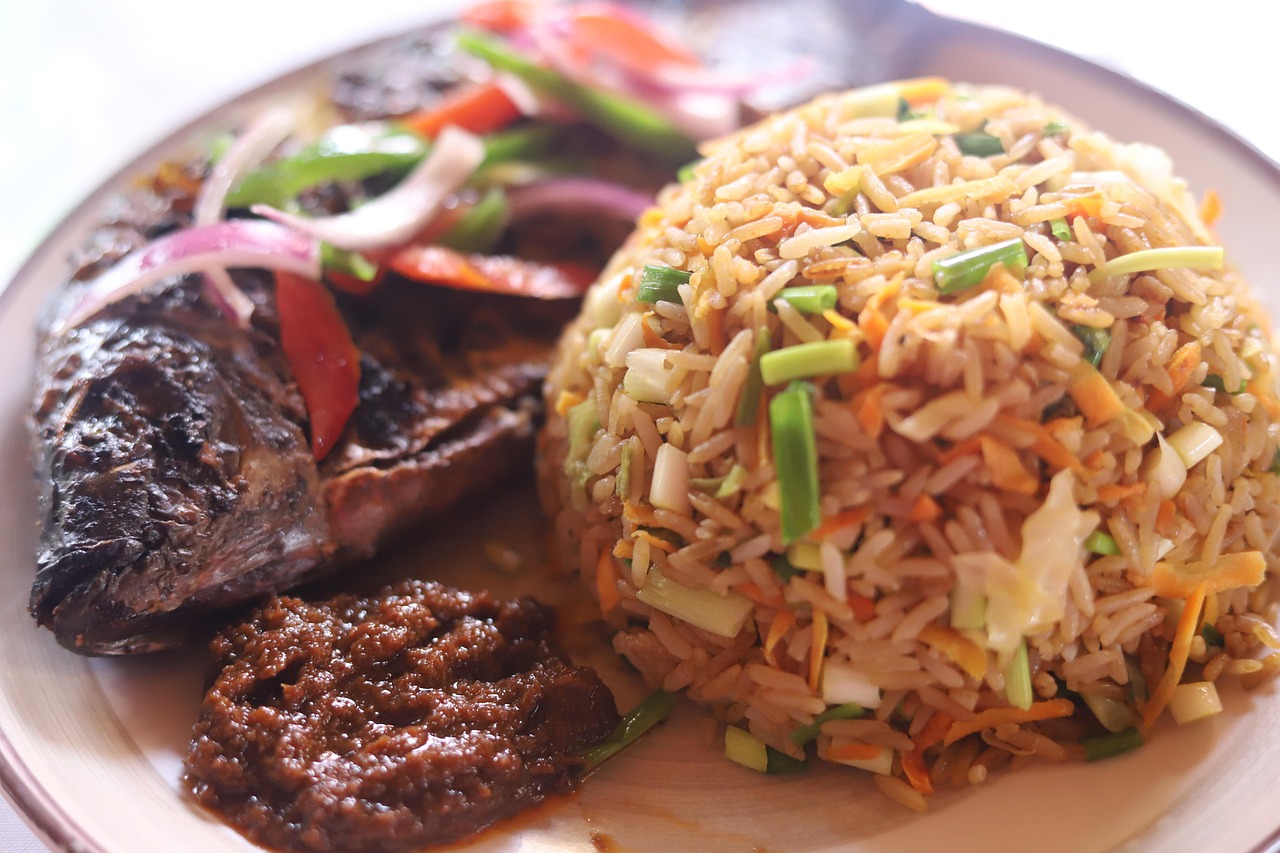
- West African Staples Reimagined: The base of many dishes remains recognizable. Jollof Rice, for example, is sacred ground. Modern interpretations might focus on using heirloom grains, introducing smoked elements, or presenting it in a deconstructed format. The debate over who makes the best Jollof will never end, but the definition of what Jollof can be is expanding.
- East African Spices and Techniques: Influences from Ethiopia and Kenya, with their unique spice blends like Berbere and preservation techniques, are finding their way into the Afro fusion pantry.
- Southern African Grilling Culture: The braai culture of Southern Africa, with its emphasis on open-fire cooking and community, is influencing the presentation and style of Afro fusion restaurants, making the dining experience more interactive and communal.
Top Afro Fusion Food Trends for 2026
So, what does this all mean for your plate in 2026? We’re seeing several distinct trends solidifying, moving the cuisine into its next chapter. These aren’t just guesses; they’re patterns we see in our own catering work and in the global culinary scene.
Hyper-Regional Ingredients Go Global
For years, “African food” was presented as a monolith. That’s changing fast. The top afro fusion trends for 2026 are about specificity. Chefs are going deeper, sourcing ingredients from specific regions known for their unique qualities.
- Grains of Paradise from the West African coast are being used not just in stews but in craft cocktails and desserts.
- Fonio, a climate-resilient ancient grain, is appearing as a sophisticated alternative to quinoa and couscous.
- Hibiscus (Zobo) is moving from a simple drink to a complex flavor agent in sauces, syrups, and even savory marinades.
The Rise of Plant-Based African Classics
There is a huge demand for vegan and vegetarian options that don’t feel like an afterthought. Nigerian cuisine, with its wealth of bean, vegetable, and grain-based dishes, is perfectly positioned for this. Expect to see:
- Egusi Soup made with mushrooms and seeds instead of meat.
- “No-Moin Moin”, a savory steamed pudding using lentils or chickpeas instead of the traditional black-eyed peas, offering a new texture and flavor profile.
- Jackfruit Suya, providing that beloved smoky, spicy flavor in a completely plant-based format.
Afro fusion cuisine isn’t about abandoning tradition. It’s about having the confidence in your tradition to let it speak a new language.
Tech-Infused Storytelling
A growing number of chefs are using technology to add depth to the dining experience. This isn’t just about online ordering. Imagine scanning a QR code on your menu that brings up a short documentary about the farmer who grew your yams, or an augmented reality filter that overlays the history of your dish onto your table. This trend connects the food back to its roots, using modern tools to tell ancient stories. We saw the beginning of this back in 2017 with early restaurant apps, but the technology and the narrative ambition have grown exponentially.
Key Pillars of Afro-Fusion’s Success

The rapid ascent of Afro fusion cuisine is supported by several cultural and economic pillars. Understanding these explains why this is a sustainable movement, not a fleeting trend.
Chef Collaborations and Pop-Ups
Mirroring the artist collaborations in Afrobeats, chefs are teaming up for limited-run pop-ups and residency exchanges. A Nigerian chef might take over a kitchen in Lisbon, while a Portuguese chef might bring European pastry techniques to a bakery in Lagos. These exchanges, like the one that brought our own culinary concepts to Portugal, spark incredible innovation and create a global network of chefs who are pushing the cuisine forward.
Social Media as the Great Accelerator
Platforms like Instagram and TikTok have been monumental. A beautifully plated dish of ofada sauce can go viral, creating interest far quicker than any magazine review. According to a report by DataReportal, over 5 billion people now use social media, giving chefs and home cooks a direct line to a massive global audience. This visual-first medium is perfect for showcasing the color and vibrancy of Afro fusion food.
Cultural Storytelling is the Core Product
Ultimately, people are not just buying a plate of food. They are buying a story. They are participating in a culture. Successful Afro fusion brands understand this implicitly. The menu descriptions, the restaurant decor, the music playlist, and the staff’s ability to explain the origin of a dish are all part of the experience. It provides a taste of Nigeria, a window into a rich and diverse culinary heritage. For more on how food serves as a cultural gateway, the Smithsonian Magazine offers some great insights.
Traditional vs. Afro-Fusion: A Comparison
| Feature | Traditional Dish (e.g., Jollof Rice) | 2026 Afro Fusion Interpretation |
|---|---|---|
| Core Ingredient | Standard long-grain parboiled rice | Heirloom African rice, Fonio, or even barley |
| Flavor Base | Tomato, pepper, onion, stock cubes, thyme | Smoked peppers, house-made fermented broths, umami from mushrooms |
| Protein | Chicken, beef, or fish cooked in the rice | Grilled suya-spiced prawns on top, poached egg, crispy tofu |
| Presentation | Often served family-style from a large pot | Individually plated, garnished with micro-herbs, often with a crispy element |
| Story | “This is our celebration dish.” | “This dish tells the story of the rice trade route through its spices.” |
Forecasting Future Trends: 2026 and Beyond

Looking ahead, we can expect the lines of fusion to get even more interesting. The integration of African flavors into global food formats will accelerate.
Predictive Analysis for 2026
- Afro-Nordic Pairings: The clean, minimalist approach of New Nordic cuisine will meet the bold, earthy flavors of West Africa. Imagine fermented Nigerian locust beans used in a Danish Smørrebrød.
- AI-Generated Recipes: Artificial intelligence will be used to analyze flavor compounds and suggest unexpected pairings, potentially creating entirely new “classic” Afro fusion dishes. This is already happening in experimental kitchens, as noted by Food & Wine.
- Sustainability and Zero-Waste Ethos: Many traditional African culinary practices are inherently low-waste. This will be a major selling point, with chefs emphasizing “root-to-leaf” cooking, using parts of vegetables and animals that are typically discarded.
- The Rise of the Micro-Patisserie: We’ll see more small bakeries focusing on African-inspired pastries. Think chin-chin-flavored macarons, or a croissant filled with a sweet and spicy mango-pepper jam. Even our own classic Puff-Puff could be reimagined with fillings and glazes.
The future of Afro fusion is not about dilution. It is about a confident, creative expansion. It’s the flavor of a continent that knows its worth and is ready to share it on its own terms.
As the world continues to embrace African creativity, the connection between the music we dance to and the food we eat will only become stronger. The top afro fusion trends for 2026 show a culinary movement that is innovative, proud, and unapologetically delicious, a sentiment well-documented by food authorities like The Kitchn.
FAQ
What is the difference between Afro-fusion and Afrobeats?
Afrobeats is a specific genre of music, primarily originating from Nigeria and Ghana, that has become a global phenomenon. Afro fusion is a broader term that describes the blending of African artistic or cultural elements (including music, art, and food) with other global influences. In cuisine, it means applying modern techniques or non-native ingredients to traditional African dishes.
Is Afro-fusion food very spicy?
Not necessarily. While many traditional West African dishes feature a pleasant heat from ingredients like scotch bonnet peppers, “spicy” is not the only flavor. Afro fusion is more about a complex balance of savory, smoky, earthy, and aromatic notes. Many dishes have no chili heat at all. At a good Afro fusion restaurant, you can typically specify your preferred spice level.
What are some easy Afro-fusion dishes I could try to make?
A great starting point is to make a simple black-eyed pea salad with a vinaigrette made with lime juice, honey, and a pinch of suya spice. You could also try making Jollof rice but using a different grain like quinoa. Another easy idea is adding a dash of hibiscus (zobo) concentrate to your favorite lemonade for a unique floral and tart twist.
How is technology changing African cuisine?
Technology is having a huge impact. Social media platforms like TikTok and Instagram allow chefs to build a global audience and share their creations instantly. In the kitchen, chefs are using modern techniques like sous-vide to perfect traditional proteins. And as mentioned, QR codes and AR are being used to tell the story behind the food, enriching the entire dining experience.
At Yaji Lisbon, we are passionate about this culinary movement. We believe the flavors of Nigeria have a place on the world stage, and we are excited to offer both classic tastes and modern Afro Fusion flavors through our food and catering services. This is a celebration of heritage and innovation, and there’s a seat at the table for everyone.