From Hidden Gem to Culinary Star: The Lisbon African Food Scene Evolution
Most travel articles about Lisbon’s food will point you towards pastéis de nata and fresh seafood. They aren’t wrong, but they are missing a huge piece of the story. The true Lisbon African food scene evolution reveals a culinary landscape shaped not just by local ingredients, but by centuries of history and migration. This journey has transformed African cuisine in Lisbon from diaspora kitchens and hidden neighborhood spots into a vibrant, celebrated, and innovative force in the city’s gastronomy. It’s a story of resilience, identity, and the delicious fusion of cultures, now being led by a new generation of chefs and entrepreneurs.
The Roots of a Flavorful Connection
To understand the food on the plate in Lisbon today, you have to look back centuries. The connection between Portugal and the African continent is long, complex, and etched into the country’s cultural DNA. This relationship, which began with the maritime explorations of the 15th century, created pathways for an unprecedented exchange of people, goods, and, of course, ingredients. This history is not just a footnote; it is the very foundation of the Lisbon African food scene evolution.
From the introduction of spices and chili peppers (known as piri-piri) from Africa into Portuguese cooking, to the shared culinary techniques, the influence is undeniable. An article from the National Geographic details the extensive and often brutal history of Portuguese colonization, which directly led to the migration patterns that seeded these culinary communities. The presence of African food in Lisbon isn’t a recent trend; it’s the quiet, consistent heartbeat of a history that is only now being amplified for a wider audience.
African Diaspora and Culinary Preservation
The first wave of African eateries in Lisbon catered primarily to the diaspora—immigrants and their descendants from former colonies. These were spaces of community and comfort, where people could find a taste of home. They were less about attracting tourists and more about preserving cultural identity through food. In neighborhoods like Mouraria and down the Linha de Sintra, small, unassuming restaurants served as community hubs, keeping recipes and traditions alive far from their origins.
The PALOP Influence
The cuisines of the PALOP countries (Portuguese-speaking African countries) form the bedrock of Lisbon’s African food scene. These nations—Angola, Cape Verde, Guinea-Bissau, Mozambique, and São Tomé e Príncipe—each have distinct culinary traditions that have become integral to the city’s multicultural palate. Menus across Lisbon proudly feature dishes that tell stories of this shared history, offering a direct taste of the post-colonial connection that defines so much of modern Portugal.
Colonial Legacy and Culinary Exchange

The culinary exchange was never a one-way street. While Portugal introduced certain ingredients to Africa, it was the African ingredients, enslaved peoples, and their cooking methods that profoundly shaped cuisines across the Portuguese empire, including in Brazil and back in Portugal itself. This historical flow created a unique Atlantic food web. For example, ingredients like okra, yams, and palm oil, staples in West African cooking, found their way into new gastronomic contexts.
In Lisbon, this legacy is tasted in dishes like piri-piri chicken, whose origins are hotly debated but undeniably linked to the introduction of African bird’s eye chili to Portugal through its African colonies, particularly Mozambique and Angola. The afrourban movement in Lisbon has seen a significant increase in residents of African descent, with a recent study noting the growing and diverse communities shaping the city’s culture.
The story of African food in Lisbon isn’t just about immigration. It’s about the reclamation of a narrative, where second and third-generation chefs are no longer just cooking for nostalgia, but for innovation.
From Cape Verde to Mozambique on a Plate
Cuisines from the PALOP nations are particularly prominent. You’ll find restaurants specializing in the hearty Cachupa of Cape Verde, a slow-cooked stew of corn, beans, and meat or fish that is considered the national dish. From Angola comes Moamba de Galinha, a rich chicken stew often made with palm oil and served with funge, a cassava-based porridge. Mozambican cuisine offers fiery flavors with its famous peri-peri sauce and creamy coconut-based curries like Mathapa, made from cassava leaves.
The Ingredient Trail
The trade routes established by the Portuguese Empire created a global pantry. Many ingredients we now consider quintessentially Portuguese have African roots. The use of peanuts in stews, the variety of beans and greens, and specific smoking and grilling techniques all point to an enduring African influence on the broader Portuguese diet. This deep-rooted connection is a crucial chapter in the Lisbon African food scene evolution.
The Rise of African Restaurants and Markets

For decades, finding authentic African food in Lisbon required knowing where to look. It was about small, family-run “tascas” in specific neighborhoods, often without websites or much fanfare. However, the last decade has seen a dramatic shift. African restaurants are no longer hidden; they are sought-out destinations, reviewed by food bloggers, and celebrated as essential components of Lisbon’s culinary identity.
This growth was fueled by a few key factors. Increased immigration from African nations, a rising generation of Portuguese-born citizens of African descent eager to share their heritage, and a growing curiosity from locals and tourists alike created a fertile ground for growth. A 2023 report from Eater highlights Lisbon’s dynamic food scene, where global influences are becoming more prominent and celebrated.
From Unassuming Eateries to Destination Dining
The evolution is visible in the restaurants themselves. While the beloved, no-frills establishments still thrive, there’s a new category of African restaurants. These spots feature modern décor, sophisticated branding, and menus that both honor tradition and experiment with presentation. They are active on social media, engage with food critics, and position African food not just as comfort food, but as a refined culinary experience. This shift has been pivotal, proving the commercial and cultural viability of African cuisine in a competitive European market.
The Role of Social Media
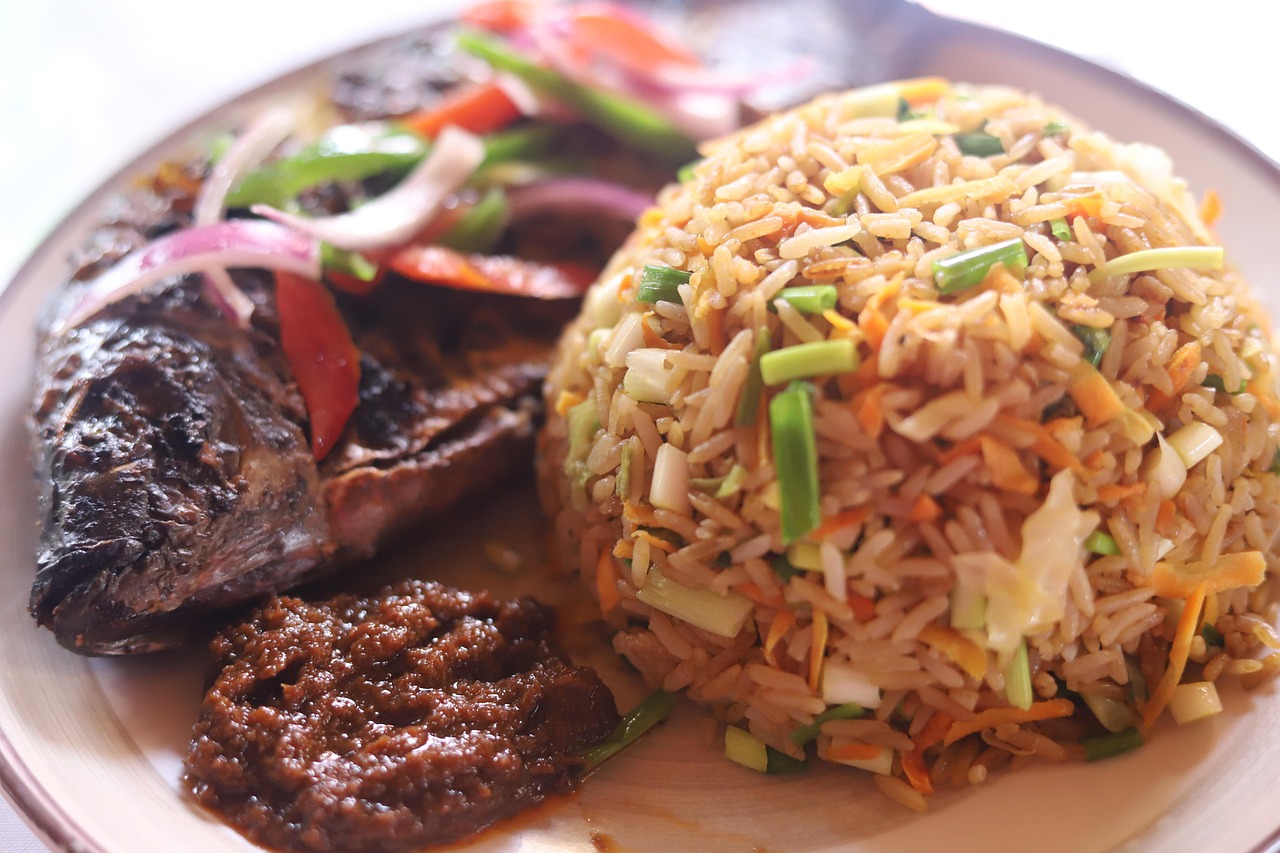
You cannot discuss the recent explosion of the Lisbon African food scene evolution without mentioning Instagram. Food bloggers and influencers have played a massive role in bringing these restaurants into the mainstream. A beautifully plated dish of Jollof Rice or a sizzling plate of grilled fish can now reach thousands of potential diners in an instant. This digital word-of-mouth has been a powerful tool for small, independent restaurant owners, allowing them to compete for attention and draw customers from all over the city and the world.
A Taste of the Continent: Iconic Dishes in Lisbon
While the scene is diverse, several iconic dishes serve as gateways to African cuisine for the uninitiated in Lisbon. These plates are packed with history, culture, and incredible flavor.
Here’s a look at what to try:
Cachupa: As mentioned, this is Cape Verde’s national treasure. There are two main versions: Cachupa Rica (rich, with various meats) and Cachupa Pobre (poor, with fish or vegetarian). Many places will serve the leftovers refried with an egg for breakfast, called Cachupa Guisada*.
- Mafe: A rich and savory peanut stew from Senegal and across West Africa. It’s typically made with lamb or beef that is slow-cooked until meltingly tender in a thick, nutty sauce.
- Calulu: Hailing from São Tomé e Príncipe and Angola, this is a dried fish and vegetable stew, often with okra and palm oil, that offers a unique and profound flavor profile.
- Jollof Rice: The iconic West African dish, a pot of rice cooked in a fragrant, deep-red tomato and pepper sauce. As a business founded by three sisters passionate about Nigerian flavors, we at Yaji Lisbon know the fierce but friendly rivalries over who makes the best version—it’s a dish that inspires passion. To discover more about its origins, you can trace its history.
Old Guard vs. New Wave African Restaurants in Lisbon
| Feature | The Old Guard (Traditional Eateries) | The New Wave (Modern Restaurants) |
|---|---|---|
| Style | Humble, family-run, community focus. | Stylized, chef-driven, destination focus. |
| Menu | Strictly traditional recipes, large portions. | Traditional recipes with modern twists, Afro-Fusion. |
| Location | Often in residential neighborhoods (Arroios, Sintra line). | Increasingly in central, trendy areas (Príncipe Real, Bairro Alto). |
| Vibe | Feels like eating in a relative’s home. | Trendy, Instagrammable, educational experience. |
Cultural Fusion and Modern Interpretations

The current and most exciting phase of the Lisbon African food scene evolution is all about fusion and reinterpretation. A new generation of chefs, many born or raised in Portugal, are taking the recipes of their parents and grandparents and viewing them through a modern, global lens. They aren’t afraid to experiment, creating a new culinary dialect that is uniquely Afro-Portuguese.
This “Afro-Fusion” or “Afropean” movement is where the future of Lisbon’s food scene lies. It’s about respecting the authenticity of a dish’s flavor profile while being creative with its presentation and context. It’s serving traditional stews in elegantly designed bowls, pairing them with Portuguese craft beer, and telling the story behind the food to a curious and receptive audience. This movement is a testament to the city’s growing confidence as a truly multicultural culinary capital.
Don’t confuse fusion with confusion. The new wave of Afro-Portuguese cooking isn’t about randomly mixing ingredients; it’s a thoughtful conversation between heritage and modernity, conducted by chefs who are fluent in both.
Future Trends and Challenges
The future looks bright, but it’s not without its challenges. Gentrification in Lisbon threatens the existence of the very neighborhood spots that were the seedbeds of this culinary movement. As rents rise, there is a risk that these essential community hubs could be priced out. Furthermore, ensuring a sustainable supply chain for specific African ingredients is a logistical challenge that many restaurateurs face daily. Despite this, the trend is toward more regional specificity, with diners becoming more aware of the vast differences between, say, Nigerian and Ethiopian cuisine, a level of nuance celebrated by platforms like Will Fly for Food in their Lisbon guides.
The Rise of African Cuisines in Lisbon: A Timeline
(Chart placeholder: The platform will render a line chart here showing the growth of African restaurants in Lisbon over time.)
Diversity of African Flavors: A Culinary Map
(Chart placeholder: The platform will render a pie chart here illustrating the proportion of different African cuisines available in Lisbon.)
Customer Preferences and Market Demand
(Chart placeholder: The platform will render a bar chart here showing customer interest in different African food types.)
Navigating Lisbon’s African Culinary Scene: A Practical Guide
Ready to explore? Here’s a simple process for diving into Lisbon’s African food scene, whether you’re a tourist or a local.
- Start with a Neighborhood: Begin your exploration in neighborhoods known for their rich multicultural fabric. The area around Arroios, Intendente, and Mouraria in Lisbon, Portugal, is a fantastic starting point, with a high concentration of African shops and restaurants.
- Look for Lunch Specials (Prato do Dia): Many traditional African spots offer a prato do dia (dish of the day) at lunchtime. This is an affordable and authentic way to sample a classic dish like Cachupa or Mafe.
- Visit a Market: For a deeper understanding, visit an ethnic market. The Mercado da Ribeira, while now a trendy food hall, has roots as a traditional market where you could find diverse goods. Smaller, local markets in residential areas are where you’ll find the real action.
- Try a Food Tour: Several operators now offer food tours specifically focused on Lisbon’s African flavors. This is a great way to get context and history along with delicious samples.
- Book a Caterer for an Event: To share the experience on a larger scale, consider bringing the flavors to your own event. Many businesses now offer fantastic Event Catering. It’s a wonderful way to introduce a large group of people to the richness of African cuisine. If you are looking for book african caterer portugal, there are some excellent options.
FAQ
How has the African food scene in Lisbon changed over time?
The scene has evolved from small, informal eateries serving diaspora communities to include established, chef-driven restaurants celebrated by the mainstream. This Lisbon African food scene evolution reflects a shift from simple preservation of tradition to active innovation and cultural fusion, gaining visibility through social media and a new generation of chefs.
What are the main African cuisines you can find in Lisbon?
The most prominent cuisines come from the PALOP countries: Angola, Cape Verde, Guinea-Bissau, Mozambique, and São Tomé e Príncipe. You will find many restaurants specializing in dishes like Cachupa (Cape Verde) and Moamba (Angola). West African cuisines, particularly from Senegal and Nigeria, are also increasingly popular.
Which Lisbon neighborhoods are best for finding African food?
Historically, the neighborhoods of Arroios, Mouraria, and the areas along the Sintra train line have been hotspots. While they remain important hubs, you can now find excellent African restaurants in more central and trendy districts like Príncipe Real and Bairro Alto as the cuisine becomes more mainstream.
What is piri-piri and what is its connection to Africa?
Piri-piri is the Swahili word for ‘pepper-pepper’ and refers to the African bird’s eye chili. The chili was introduced to Portugal through its African colonies, particularly Mozambique and Angola. While piri-piri chicken is a global phenomenon, its roots are undeniably tied to this historic Portuguese-African exchange.
Is African food in Lisbon spicy?
It can be, but not always! While dishes like Mozambican grilled prawns with piri-piri sauce pack a punch, many other iconic dishes are not primarily about heat. West African stews like Mafe are rich and nutty, while Cachupa from Cape Verde is savory and hearty. Most restaurants will be happy to adjust the spice level or serve hot sauce on the side.
The journey of African food in Lisbon is a powerful story about how food carries culture, builds community, and enriches a city. From the humble beginnings of diaspora kitchens to the innovative forefront of the city’s dining scene, it proves that a plate of food is never just a plate of food—it’s a delicious piece of history. We invite you to explore these flavors, whether in a restaurant or by bringing them to your next gathering with our event catering services.